Posted on Leave a comment

Safety Helmet : Lighter, Smarter, Stronger !!

Helmets are essential and required on practically all construction, mining and industrial sites. They are the most frequent and fundamental type of PPE. What is the composition of a safety helmet?

A safety helmet is made up of three parts: The cover (outer section): It protects the head from impact. The harness: It provides shock absorption. The chinstrap: The helmet is held firmly on the head by the chinstrap, which is an adjustable strap beneath the chin.

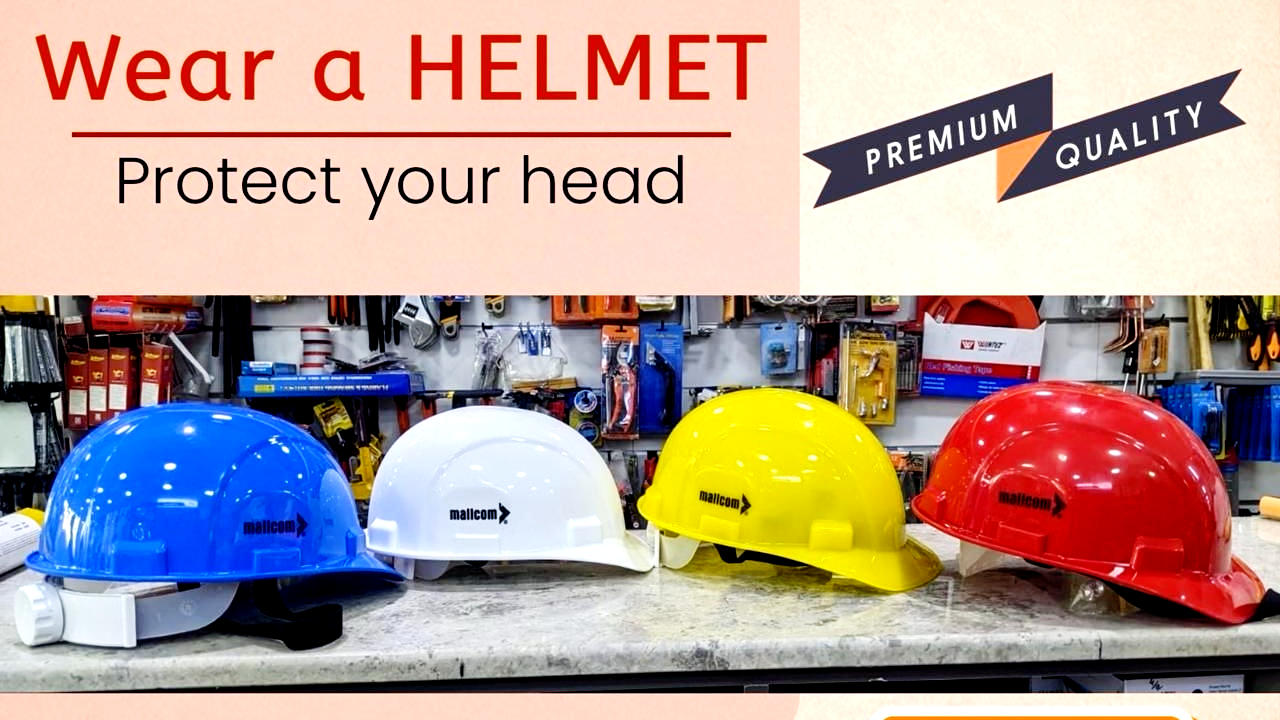
Jasper – A lightweight safety helmet by Mallcom

Mallcom’s Jasper lightweight safety helmet is subjected to numerous tests, including impact resistance and flame retardance, among others.

When selecting a safety helmet, various elements must be considered. The level of protection provided by a safety helmet depends on the activity. A construction helmet, for example, cannot be used for demolition work because it does not provide the same level of protection. There is no one-size-fits-all helmet, and there are numerous trade-offs to consider when deciding which is ideal for a job. The first thing to think about is the trade-off between performance and comfort. High-performance helmets are relatively heavy, and while they provide maximum protection, unsupervised wearers may be tempted to remove the more cumbersome designs, leaving them with no protection at all, so balancing protection with comfort may be necessary to maintain compliance. It is also important to know how long the helmet will be worn by the operator. For longer periods, the helmet’s lightness should be considered. A high-performance lightweight safety helmet, like Jasper is a preferred option.

Mallcom Jasper is a tough UV-resistant HDPE safety helmet, which is the lightest in its category. Its lightweight nature makes it long-lasting that meets a wide range of performance standards. For adaptability, it is available with ratchet or zip adjustment. It offers superb head protection and is extremely durable. As a CATEGORY II helmet, this helmet conforms to PPE REGULATION 2016/425 and it is also BIS certified.

Jasper lightweight helmet is a testimony to a service that has constantly evolved to provide the finest in Head Protection to personnel working in the most challenging environments.

Jasper Helmet’s key features:

  • Lightweight and long-lasting, Jasper Helmet meets a wide range of safety and performance standards.
  • It comes with a heavy-duty HDPE shell which is UV-resistant.
  • Compatible with a wide selection of safety equipment and metal working accessories (including eyewear, ear muffs, and so on), to provide a full solution for your application.
  • It is suitable to be worn in extreme temperatures ranging from -10 to +500Celsius.
  • The lining of a plastic harness with two bands and four attachment points.
    52-60 cm head circumference.

Available in VVP INTERNATIONAL ABU DHABI -0588934500 www.VVPintl.com

Posted on Leave a comment

Selection of Industrial Safety Shoes:

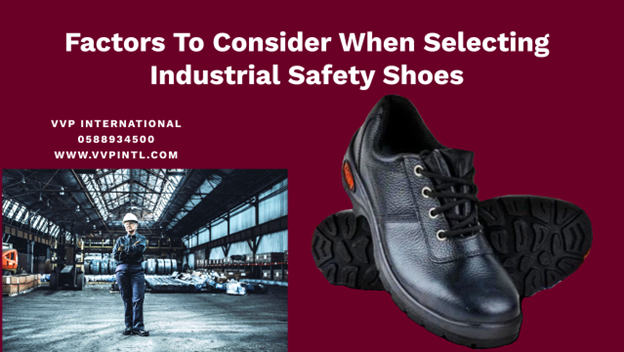
Let’s explore the factors to consider when selecting industrial safety shoes, with a focus on Mallcom’s extensive range of lightweight safety shoes from India.

The Significance of Lightweight Safety Shoes

Lightweight safety shoes offer a myriad of advantages that contribute to a safer and more comfortable work environment. Here are some key reasons why they should be your top choice:

Reduce Foot Fatigue: For those who spend long hours on their feet, lightweight safety shoes can make a significant difference. The reduced weight minimizes strain on the feet, preventing fatigue and discomfort at the end of a demanding workday.

 Improve Mobility: The lighter the shoes, the better the mobility and agility of the wearer. This is particularly important in dynamic work environments where quick movements are required, enhancing overall efficiency and safety.

 Minimize Injuries: The weight of traditional safety shoes can lead to strain on ankles, knees, and back. Lightweight alternatives are useful in preventing these injuries, and ensuring the well-being of workers in various industrial settings.

Understanding Safety Shoe Levels: S1, S2, and S3

Mallcom India offers a comprehensive range of safety shoes, including S1, S2, and S3 categories, each designed for specific workplace hazards.

 S1 Safety Shoes: Ideal for protection against basic hazards, S1 shoes are slip-resistant and offer protection from falling objects.

S2 Safety Shoes: Suited for environments with moisture or oil, S2 shoes are similar to S1 but provide additional protection against cuts and abrasions.

S3 Safety Shoes: Offering the highest level of protection, S3 shoes include electrical hazard protection. They are suitable for workplaces with chemicals, debris, or extreme temperatures.

Key Considerations When Choosing Safety Shoes

Apart from understanding the protection levels, it’s essential to consider the following factors when selecting safety shoes:

Proper Fit: Ensure that the shoes fit snugly but comfortably, providing enough space for toe movement.

Arch Support: Choose shoes with good arch support to prevent fatigue and foot pain during extended periods of wear.

Sturdy Construction: Opt for shoes made with high-quality materials that can withstand wear and tear, ensuring durability and longevity.

Slip-Resistant Bottom: A crucial feature to prevent slips and falls, especially in wet or oily environments.

Superior Construction for Maximum Comfort and Longevity

Safety Shoe is designed with meticulous attention to detail, ensuring maximum comfort, ease of use, and longevity. Constructed with Barton grain leather for the upper and a lining of split leather/synthetic, these shoes are built to withstand the rigors of industrial environments.

Advanced Footbed Technology for Comfort

Comfort is a top priority when it comes to safety shoes. It addresses this with a removable polyamide on the EVA footbed. This not only enhances comfort during long work hours but also contributes to the overall durability of the footwear.

Unmatched Safety Features

Safety shoes boast an impressive array of safety features, making them suitable for various industries. These features include:

Oil Resistance: Protecting against oil spills and slips, Safety shoes are equipped to handle the challenges of oily work environments.

Slip Resistance: With an injected single-density PU outsole designed for better slip-resistant properties, Safety Shoes ensures stability on different surfaces. 200J Impact Resistance: Providing robust protection against heavy loads and falling objects, safety shoes meet the highest standards of impact resistance.

Tailored for Specific Industries

Safety shoes are particularly useful in industries that demand top-notch safety measures. These include:

 Heavy Engineering: Safety shoes are engineered to meet the challenges posed by heavy engineering tasks, ensuring workers can focus on the job at hand without compromising safety.

Construction: With Safety Shoes design and superior safety features, they are well-suited for the rigorous demands of the construction industry.

Repair & Maintenance: Safety shoes are an indispensable companion for professionals involved in repair and maintenance tasks, offering the protection needed in unpredictable work scenarios.

You can buy work suitable Safety Shoes from VVP International Abu Dhabi 0588934500 or visit our website www.VVPintl.com

Posted on Leave a comment

Difference between Nitrile Gloves and Nitrile Coated Dyneema Gloves:

Available in VVP International ,Abu Dhabi 0588934500 or visit www.VVPintl.com -Order Now !!!

For the workforce, working at industrial sites or work that involves risks of major or minor hand injuries, protective gloves are the most basic and necessary equipment to be included in their PPE kit. Hand protective gloves can be of different types, suitable for different work. Some are best for work that involves exposure to harmful chemicals and sharp surfaces, while others resist punctures and make it suitable to work in extreme temperatures.

While every workforce requirement may differ, some of the most used gloves for industrial workers are Nitrile and Dyneema gloves. But what exactly is the difference between nitrile and Dyneema®  gloves, and which is best for your application?

What Are Nitrile Gloves?

Nitrile gloves were first introduced in the 1980s and started gaining prominence in the 1990s. These gloves basically gained popularity as an alternative for those allergic to latex. Nitrile gloves have the highest resistance properties against chemicals and wear. And this is also one of the major reasons for its popularity.

Nitrile is basically the synthetic co-polymer formed by combining acrylonitrile and butadiene. This is a common misconception that nitrile gloves have latex in them. The main thought behind introducing nitrile gloves was for people allergic to latex. Though earlier these gloves were quite expensive, however, thanks to the advancements in technologies, nitrile gloves have not only become cost-efficient but also 3 times more puncture resistant than latex gloves.

These gloves are made of synthetic rubber, making them strong, durable and a good alternative for latex allergy issues. Nitrile gloves are quickly and significantly closing the gap with latex gloves, especially in the areas of comfort and dexterity. These gloves are the ideal choice for anyone dealing with hazardous chemicals, medical or biohazards, and are exceptionally resistant to puncture.

Nitrile gloves protect the user’s hands in many ways. The nitrile material protects hands from contamination and prevents the user from contaminating any objects or surfaces they touch. Nitrile is waterproof, resistant to grease, oil and, most importantly, chemical resistant to a variety of common substances.

WHAT ARE DYNEEMA® GLOVES?

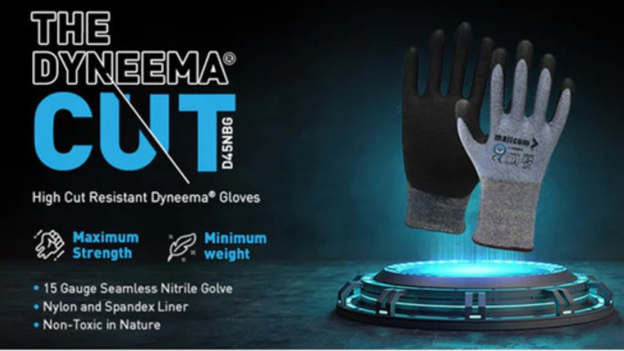
Dyneema® is one of the strongest materials in the world. It is not surprising that this material is also known as a space-age fiber or space-age fabric. In fact, military forces are using Dyneema in making armor. The fishing industry is using Dyneema to make nets and ropes. After realizing its actual potential, now more than ever, it is being used by manufacturing companies for various protective gear and equipment.

DYNEEMA®  IS AN ULTRA-HIGH-MOLECULAR-WEIGHT POLYETHYLENE, STRONGEST AMONGST ANY THERMOPLASTIC, SUPERLIGHT FIBER, EXTREMELY DURABLE, WATERPROOF, RESISTANT TO CHEMICALS AND HARMFUL UV LIGHT.

Hand protective gloves made using Dyneema® fiber are highly cut-resistant, offer flexibility and are extremely lightweight. Some of the properties that make Dyneema® a preferred fiber for protective gear, are:

Ultra-high strength/weight ratio (15 times stronger than steel, weight/weight ratio)

Low elongation at breakpoint

High resistance to UV rays

Chemically inert

Floats on the water

Very flexible

High energy absorption

Odorless, tasteless, non-toxic.

Self-lubricating, low friction

WHICH GLOVES ARE BEST FOR YOU?

Both nitrile and Dyneema®  gloves have their own properties and usage in different industries. Nitrile gloves can be the best fit if you are looking for an alternative to latex gloves with better comfort levels and dexterity. If you are operating in medical and pharmaceutical industry, dealing with biohazards or hazardous chemicals, nitrile gloves can be the best for you. These gloves are also exceptionally puncture resistant and suitable for working in oily, greasy, or wet environments. While on the other hand Dyneema®  is heralded as a magical fiber; it is the strongest amongst all poly-plastics and has many other qualities like durability, flexibility, light weight, etc. If your working environment is exposed to sharp and abrasive conditions, or you are dealing with sharp machinery with a high risk of cut injuries or you are working under extreme temperatures, gloves made with Dyneema fiber will be the best choice for your workforce.

Posted on Leave a comment

Importance of Updated Industrial PPE in the Workplace:

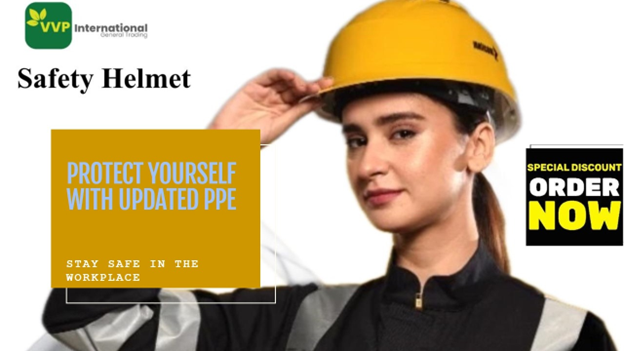
In any workplace, safety should always be a top priority. Whether you’re in construction, manufacturing, or any other industry, maintaining a safe working environment is crucial for the well-being of your team. A fundamental aspect of industrial safety is the use of Personal Protective Equipment (PPE). However, it’s not just about having PPE available; it’s equally important to ensure that it’s regularly inspected and updated.

Here’s why updated industrial PPE is essential in the workplace.

Preventing Accidents and Injuries

Damaged or outdated PPE can compromise its effectiveness in protecting workers from potential hazards. For instance, helmets that are cracked or safety goggles with scratched lenses may fail to provide adequate protection, increasing the risk of head injuries or eye damage. Regular inspection and replacement of such industrial safety equipment can significantly reduce the likelihood of accidents and injuries.

Timely Replacement for Optimal Safety

Identifying the right time to replace PPE is crucial. While replacing industrial safety equipment too frequently can incur unnecessary costs, delaying replacements beyond their effective lifespan can pose serious risks. Establishing clear standards and protocols for inspecting and replacing PPE ensures that worn-out or damaged equipment is promptly replaced, maintaining optimal safety levels without unnecessary expenditure.

Establishing Inspection Protocols

Developing standardized inspection protocols is key to ensuring thorough and consistent evaluation of PPE. Assigning responsibilities for inspection and maintenance, as well as establishing criteria for identifying signs of wear or damage, helps streamline the process. By adhering to these protocols, potential safety hazards can be identified and addressed proactively.

Utilising Grading Systems

Implementing a grading system for PPE can simplify decision-making regarding replacement. By categorizing equipment based on its condition and usability, employees can easily identify when items need to be replaced or repaired. This approach ensures that PPE is consistently maintained at the required standards, enhancing overall workplace safety.

In industries where hazards are inherent, such as construction, manufacturing, or healthcare, relying on outdated PPE can lead to catastrophic consequences. OEM’s understand this urgency and provide a wide array of PPE options, including helmets, goggles, gloves, respiratory protection, and more, tailored to meet the specific needs of each industry.

Staying current with Personal Protective Equipment (PPE) is paramount, especially in bulk industrial safety equipment usage. PPE is not merely about compliance; it’s about prioritizing the well-being of workers in diverse work environments. Original Equipment Manufacturers of safety equipment play a pivotal role in ensuring that businesses have access to the latest and most effective gear to protect their workforce.

Here’s why staying current with PPE is paramount:

Head Protection

Investing in modern helmets with customizable features such as adjustable harnesses and sweatbands is essential. Ensuring compatibility between different pieces of PPE, like wearing safety hats alongside ear defenders, maximizes protection.

Eye Protection

Given the prevalence of work-related eye injuries worldwide, the importance of safety glasses, welding goggles, and shields cannot be ignored. These items serve as barriers against bright light, infrared radiation, and other hazards.

Hearing Protection

In noisy environments, earplugs may suffice, but ear defenders offer greater convenience and hygiene on shop floors or construction sites. Easy removal and wearability make them a superior choice for protecting against harmful sound levels.

Respiratory Protection

Masks are indispensable when dealing with hazardous materials, ranging from vapours to fine dust particles. Whether it’s dust masks for particulate matter or full-face masks for toxic substances, respiratory protection is vital for safeguarding against pollutants.

Hand Protection

Different occupations require specific gloves tailored to the hazards involved, whether it’s vibrations, cuts, extreme temperatures, or chemical exposure.

Protective Footwear

From safety shoes for heavy lifting to anti-skid soles for damp environments, the right footwear plays a crucial role in preventing accidents and injuries.

Correct Work Clothing

Appropriate work attire, including high-visibility vests, sturdy pants, and jackets, ensures visibility and protection in crowded or hazardous settings.

In essence, the effectiveness of PPE relies heavily on its relevance and suitability to the tasks and environments at hand. Regular updates and adherence to industry standards are imperative for ensuring optimal safety and minimizing risks in the workplace.

Adhering to Regulatory Guidelines

Following guidelines provided by regulatory authorities such as the Occupational Safety and Health Administration (OSHA)/ EN/ ANSI/ BIS etc  ensures compliance with safety standards. These guidelines outline best practices for inspecting, replacing, and maintaining PPE, helping organisations prioritize worker safety and avoid potential legal ramifications.

Adapting to Changing Needs

In the wake of events like the COVID-19 pandemic, the importance of PPE has been underscored. While traditional PPE such as helmets and gloves remain essential, additional measures taken by reputed PPE manufacturers in India may be necessary to address emerging risks. Adapting PPE requirements in response to evolving workplace conditions demonstrates a commitment to employee well-being.

Considering Stationary Equipment

Beyond personal protective gear, stationary equipment such as machinery also requires regular inspection and maintenance, which broadly comes under the purview of Engineering controls. Ensuring that safety features like protective shields are in place and functional minimizes the risk of accidents related to equipment operation.

Creating Awareness and Consistency

Educating employees about the importance of updated PPE and consistently reinforcing safety protocols fosters a culture of safety within the organization. Conducting regular training sessions and providing access to informational resources empowers employees to take ownership of their safety and that of their colleagues.

In conclusion, maintaining updated industrial safety equipment is not just a regulatory requirement; it’s a fundamental aspect of ensuring a safe working environment for all. By prioritizing regular inspection, timely replacement, and adherence to established protocols, organizations can mitigate risks, protect their workforce, and promote a culture of safety and well-being.